
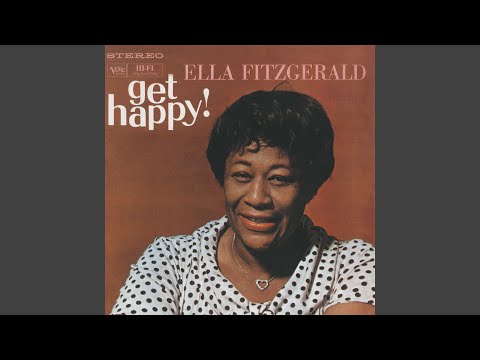
Ella Fitzgerald recorded “St. Louis Blues” more than once. It appears on her album Get Happy!, released in 1960, and on These Are the Blues, a 1963 Verve studio album produced by Norman Granz. The song was not hers. It was written by W.C. Handy, and it was already a landmark of American music long before she sang it.
Fitzgerald also appeared in a highly fictionalized Handy film biography called St. Louis Blues, with Nat King Cole and other jazz greats in the cast, according to the Memphis Music Hall of Fame. That film tied her name to the tune for a wider public.
Handy’s song
Handy published the song in September 1914 through Pace & Handy Music Co. The Memphis Music Hall of Fame calls it a million-selling sheet music phenomenon from the days before hit records. Handy was already known as the “Father of the Blues” for “Memphis Blues,” the first commercially successful blues song, in 1912.
It was one of the first blues songs to succeed as a pop song, and it remains central to the repertoire of jazz musicians. It has even been called “the jazzman’s Hamlet.” Recordings of it run into the thousands, according to the New York Festival of Song, which also notes that Fitzgerald performed it dozens of times, some of them captured on live recordings.
What the song is about
The narrator is a woman whose lover has left town. She sits with her loneliness at the end of the day. She blames a rival, a wealthy woman from St. Louis, for drawing him away, and she wonders whether his heart is simply cold. Under the sorrow runs a stubborn devotion, and the song ends with her loyalty intact. It is a story of jealousy and abandonment told in the first person.
The music matters as much as the story. Handy said he wanted to combine ragtime syncopation with a real melody in the spiritual tradition. The form is unusual for a blues. The verses use the standard twelve-bar pattern, but a 16-bar bridge sits between them, written in a habanera rhythm that is often called the “Spanish Tinge.” Handy recalled that the tango was in vogue when he wrote it, so he opened with a tango-style introduction and then broke into a low-down blues, which he said tricked the dancers.
Fitzgerald’s place in its history
The song’s history includes towering earlier readings. Bessie Smith’s 1925 recording with Louis Armstrong on cornet entered the Grammy Hall of Fame in 1993. Armstrong’s 1929 version with his orchestra followed in 2008. Handy’s own 1922 recording with his Memphis Blues Band was selected for the Library of Congress National Recording Registry in 2023.
Fitzgerald came to the song as a jazz singer rather than a blues shouter. That fits the long line of players and singers who treated it as a standard to be reinterpreted. Her 1963 album These Are the Blues is a jazz and blues set. It features trumpeter Roy Eldridge and organist Wild Bill Davis, and its sleeve art was painted by David Stone Martin. The song’s other appearances in her discography include a live album listed as Ella in Rome: The Birthday Concert.
Her versions show how elastic Handy’s piece is. The tango-flavored bridge, the twelve-bar verses and the bittersweet story give a singer plenty to work with. Over a century after publication, the tune still invites fresh readings, and Fitzgerald’s are among the best documented.